
2026-08-22 ·
How To Spot A Slab Leak In Your Phoenix Home
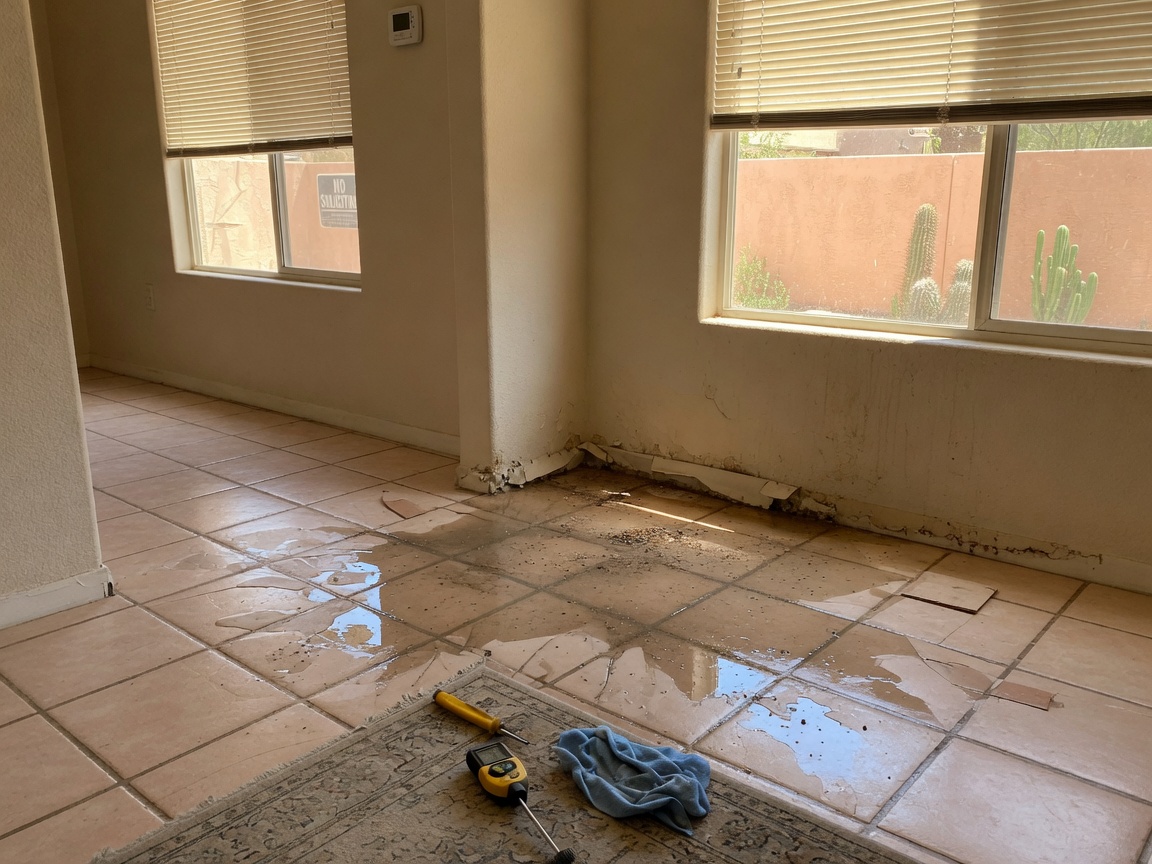
Slab leaks in Phoenix homes often show up first as unexplained warm spots on floors or sudden spikes in water bills during the hottest months when pipes expand and contract most. Homeowners in areas like Arcadia, Biltmore, and Ahwatukee notice these issues more frequently because many properties built on concrete slabs over expansive Maricopa County soils experience movement from extreme summer heat reaching 115 degrees. Checking for moisture near baseboards or listening for running water when all fixtures are off gives the quickest confirmation before walls or flooring suffer.
Visible Signs Around the Home
Phoenix residents often first notice slab leaks through persistent damp areas on tile or carpet even after dry weather. In Camelback East and Maryvale, older slab homes built before modern expansion joints can show hairline cracks in walls or buckling baseboards where water migrates upward. High water bills without increased usage point directly to underground pipe failure under the slab, especially when combined with the sound of water running at night. Checking around the perimeter near Papago Park or Desert Botanical Garden properties reveals how desert heat accelerates corrosion on older copper lines.
Impact of Local Climate and Soil
Maricopa County's hot desert climate with extreme summer heat causes copper and PEX lines under slabs to expand during the day and contract at night, creating stress points that eventually leak. Homes in South Mountain and near Chase Field sit on clay-heavy soils that swell with occasional monsoon moisture then shrink, shifting slabs and stressing joints. This pattern differs from nearby Scottsdale or Tempe where newer construction sometimes includes better under-slab insulation. Residents who monitor for these seasonal changes catch leaks earlier than those ignoring the 100-plus degree stretches.
Testing and Confirmation Steps
Turn off all indoor and outdoor water sources then check the main meter for any movement over 30 minutes to confirm flow under the slab. Place a dry towel on suspected warm floor areas in Arcadia Lite or Central City and recheck after an hour for moisture. Professional leak detection uses acoustic tools or cameras that locate the exact spot without breaking concrete unnecessarily. If the meter shows flow with everything off, schedule slab leak repair before drywall damage spreads.
When to Check Your Shutoff and Next Actions
Locate the main water shutoff valve early, as outlined in When To Check Your Main Water Shutoff Valve In Phoenix, so you can isolate the system quickly during suspected leaks. In West Phoenix and near the Arizona Biltmore Estates, older valves may stick from mineral buildup common in desert water. After confirming a leak, avoid running appliances until a 24-hour plumber arrives. Document any visible damage with photos for insurance purposes while waiting for assessment.
Preventing Further Issues in Phoenix Homes
Regular inspection of exposed pipes in garages and under sinks catches small problems before they reach the slab in neighborhoods like Paradise Valley Village. During extreme heat, avoid drastic temperature changes in water heaters that add stress to lines feeding under the home. Properties near Tempe or Mesa benefit from annual checks because soil movement continues year-round even without visible rain. Keeping records of past repairs helps technicians understand patterns specific to your foundation.