
2026-08-22 ·
Preparing Plumbing For Monsoon Rains In The Valley
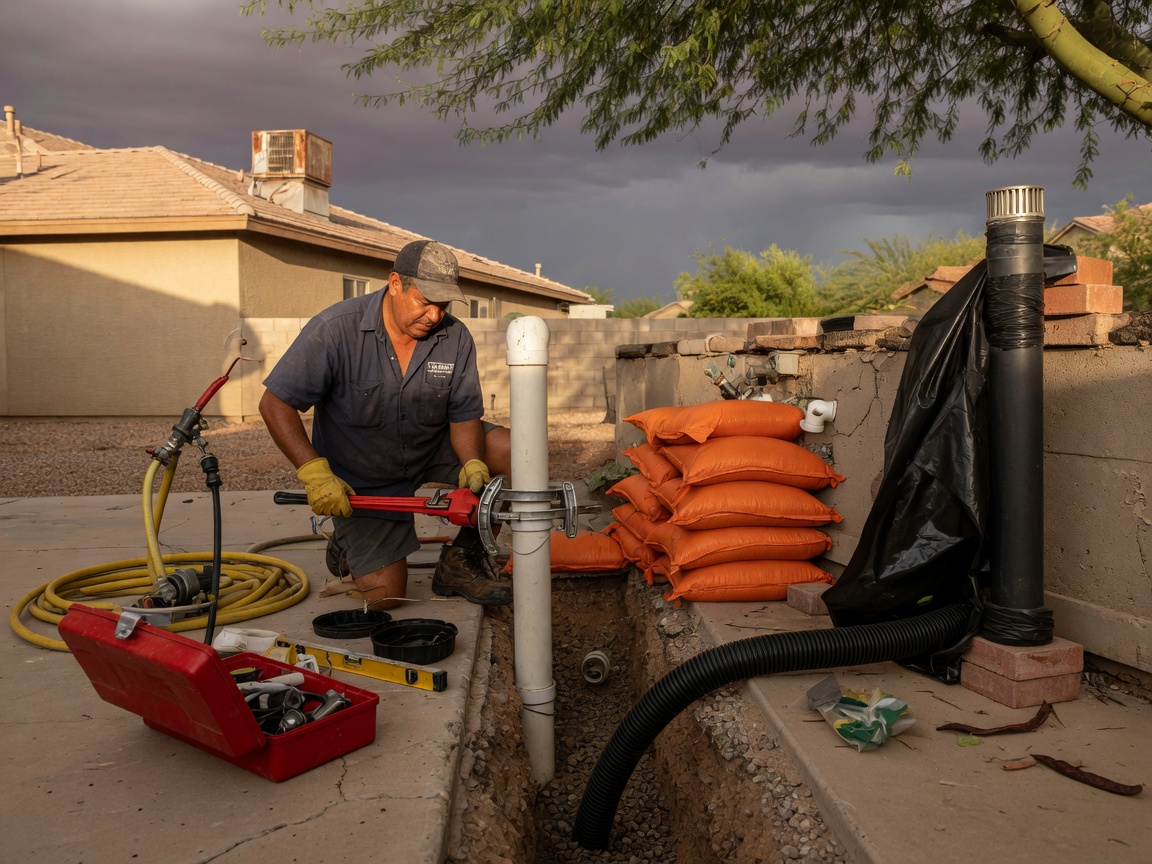
Preparing your plumbing for monsoon rains in the Valley starts with inspecting sewer lines and roof drainage on homes in Arcadia, Biltmore, and Ahwatukee before July storms hit. Maricopa County properties often face flash flooding that pushes debris into older pipes, causing backups in neighborhoods built before 1980. Check cleanouts and downspouts now to avoid emergency calls during peak rainfall.
Inspecting Sewer Lines Before Storms
Older homes in Camelback East and Maryvale commonly have clay or cast-iron sewer lines that crack under sudden water volume from monsoon runoff. Walk your property and note any low spots where water pools near the foundation, as these areas increase pressure on underground pipes. Schedule a camera inspection if you notice slow drains or gurgling toilets after light rain. Properties near Papago Park and the Phoenix Zoo sit on varied soil that shifts during heavy downpours, stressing joints. Clear tree roots around lines in South Mountain yards, since monsoon moisture encourages growth that blocks flow. Test outdoor cleanouts by running water and watching for backups. Homes in nearby Scottsdale, Tempe, and Mesa share the same desert soil challenges that turn minor cracks into major issues once rain arrives.
Protecting Drains and Downspouts
Phoenix homes in Arcadia and the Biltmore Area rely on roof drains and gutters that clog quickly with desert dust and monsoon debris. Remove leaves and sediment from gutters at least twice before July to keep water moving away from the foundation. Install or check splash blocks at downspout ends so water does not saturate soil near slab foundations common in these neighborhoods. In Ahwatukee Foothills Village, steep lots can channel runoff directly toward homes, overwhelming yard drains during 1-inch-per-hour storms. Clean area drains around patios and driveways, then test flow with a hose. Avoid planting dense shrubs too close to downspouts, as roots trap sediment. These steps reduce the chance of interior flooding when Chase Field area storms drop several inches in one afternoon.
Checking for Leak Points Around the Home
Heavy monsoon rain finds small gaps around pipe penetrations in older Phoenix roofs and walls. Examine exterior hose bibs and utility entries on homes in Camelback East for cracked caulk or loose fittings. Inside, look under sinks and around water heaters for signs of past moisture that could worsen when humidity spikes. Properties near Desert Botanical Garden often have stucco that absorbs water, leading to hidden leaks along supply lines. Use a flashlight to inspect attic pipes after any early rain. Leak Detection helps locate issues before they become slab leaks. In Maryvale and West Phoenix, older galvanized lines corrode faster when soil stays wet for days. Document any damp spots with photos and note their location relative to nearby landmarks like Papago Park for faster service later.
Handling Backups and Emergency Steps
When monsoon rain overwhelms systems, shut off the main water valve if you see sewage backing up through floor drains. Keep a working sump pump with battery backup in basements or low garages common in Biltmore Area homes. Contact an Emergency Plumber open 24 hours, 7 days a week if water rises near electrical outlets. For recurring sewer issues tied to older lines, review Understanding Sewer Line Problems In Older Phoenix Properties for long-term fixes. Avoid using toilets or drains until flow returns to normal. After the storm passes, run clean water through all fixtures to flush sediment and check for new slow spots. Homes in Arcadia Lite and Central City, Phoenix benefit from keeping emergency contact info for 24-hour service handy during July and August.
Post-Storm Inspection and Maintenance
Once monsoon rains ease, walk your property and note any new erosion near sewer cleanouts or foundation walls. Flush outdoor hoses and test every indoor fixture for proper drainage. In South Mountain and Ahwatukee, check that French drains or yard grading still directs water away from the house. Schedule follow-up camera work on sewer lines if you experienced any backup during the season. Compare current water pressure readings to pre-monsoon levels to catch developing leaks early. Residents in nearby Tempe and Mesa follow the same routine because shared Maricopa County soil and storm patterns affect plumbing the same way. Consistent checks before each rainy period keep older systems functioning through the hottest months.